There is no ideal dog-training session length that fits every dog and every skill. Five minutes can be too long for a worried puppy in a noisy place and too short for a relaxed adult practicing a familiar scent game. The useful answer comes from performance and recovery, not a universal timer.
The Short Answer Is Not One Number
For new skills, brief and frequent practice is usually more productive than a long block. The RSPCA advises breaking training into short, regular sessions so dogs are not overwhelmed. That principle leaves room for individual variation.
Think in successful repetitions. A session that lasts ninety seconds and produces six clear, relaxed responses may be better than ten minutes of cue repetition, fading attention, and mistakes. Stop while the dog can still win. You can return later in the day.
Longer activities are not automatically training failures. A calm sniffing walk, cooperative-grooming routine, or advanced class may last longer because pauses and easier behavior are built in. The problem is sustained demand without relief, not the number on the clock.
Let the Learner and Task Set the Length
Age matters, but avoid rigid “one minute per month” formulas. Puppies often need shorter bursts because the environment, body control, and new information are demanding. Senior dogs may fatigue because of discomfort or sensory changes. Adult dogs also vary widely.
The task changes the load. Capturing a spontaneous sit is simple. Holding still while ears are examined requires physical comfort, trust, and emotional regulation. Practicing beside traffic, children, or other dogs adds environmental pressure. Make a hard context shorter and easier even when the dog knows the skill at home.
Motivation also shifts. A hungry dog may work readily for food before a meal; another may be distracted or uncomfortable then. Heat, lack of sleep, medication, pain, and a stressful event earlier in the day can reduce capacity. Training should adapt to the dog in front of you.
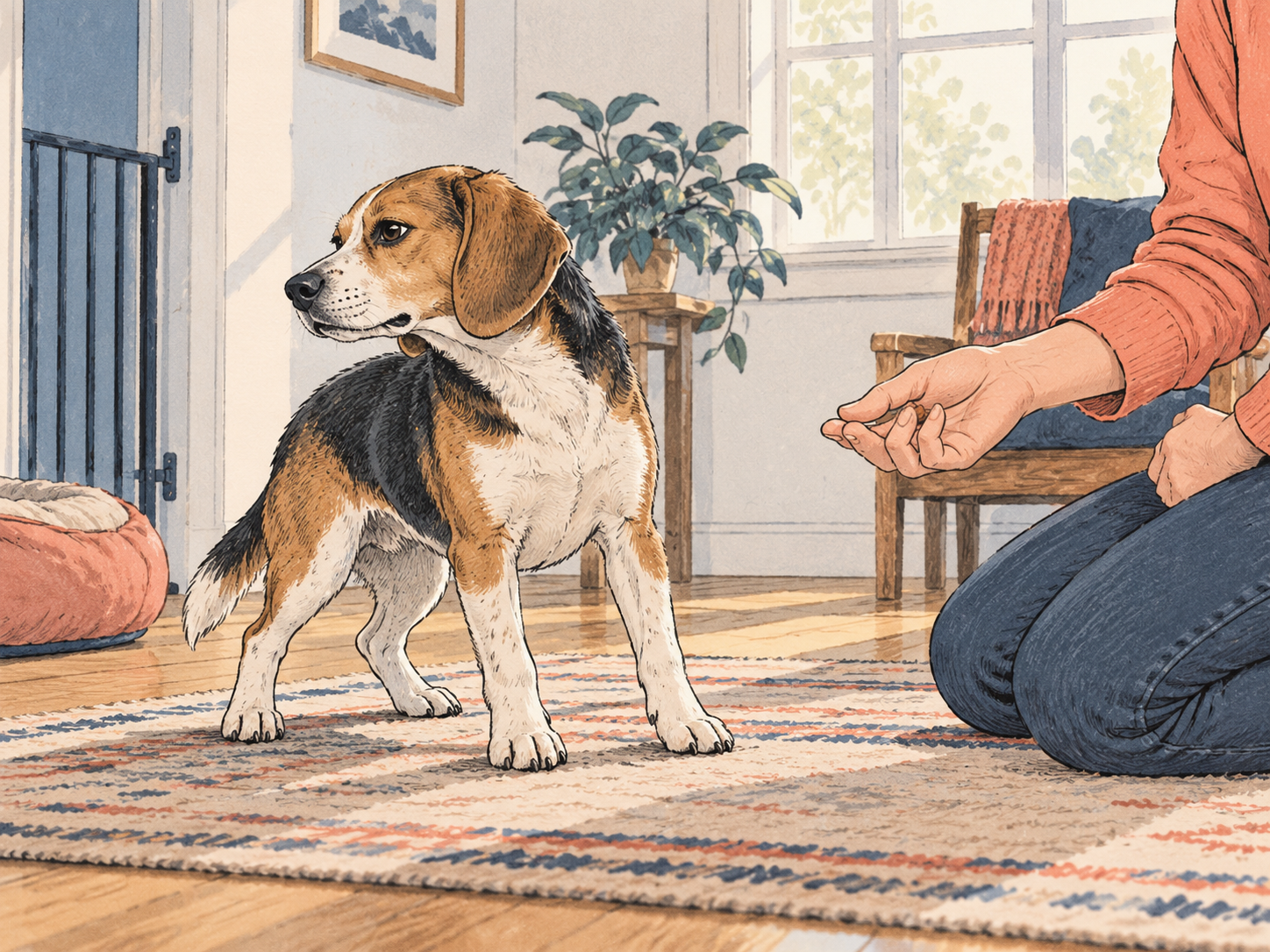
Signals That a Session Should End
End or pause when responses slow, errors cluster, the dog stops taking rewards normally, or body language changes. Turning away, repeated lip licking, yawning outside a tired context, sudden sniffing, paw lifting, scratching, panting, freezing, or trying to leave can indicate stress or conflict. Any one signal needs context; a pattern matters more.
Frantic behavior can also mean the session is too hard. Grabbing food, barking at the handler, cycling rapidly through every known trick, or jumping may reflect over-arousal rather than enthusiasm. Lower the difficulty and allow recovery.
Do not push through pain. Reluctance to sit, lie down, jump into a car, or turn one direction can have a physical cause. A sudden change from the dog’s normal performance deserves a veterinary check rather than extra repetitions.
Build Useful Micro-Sessions
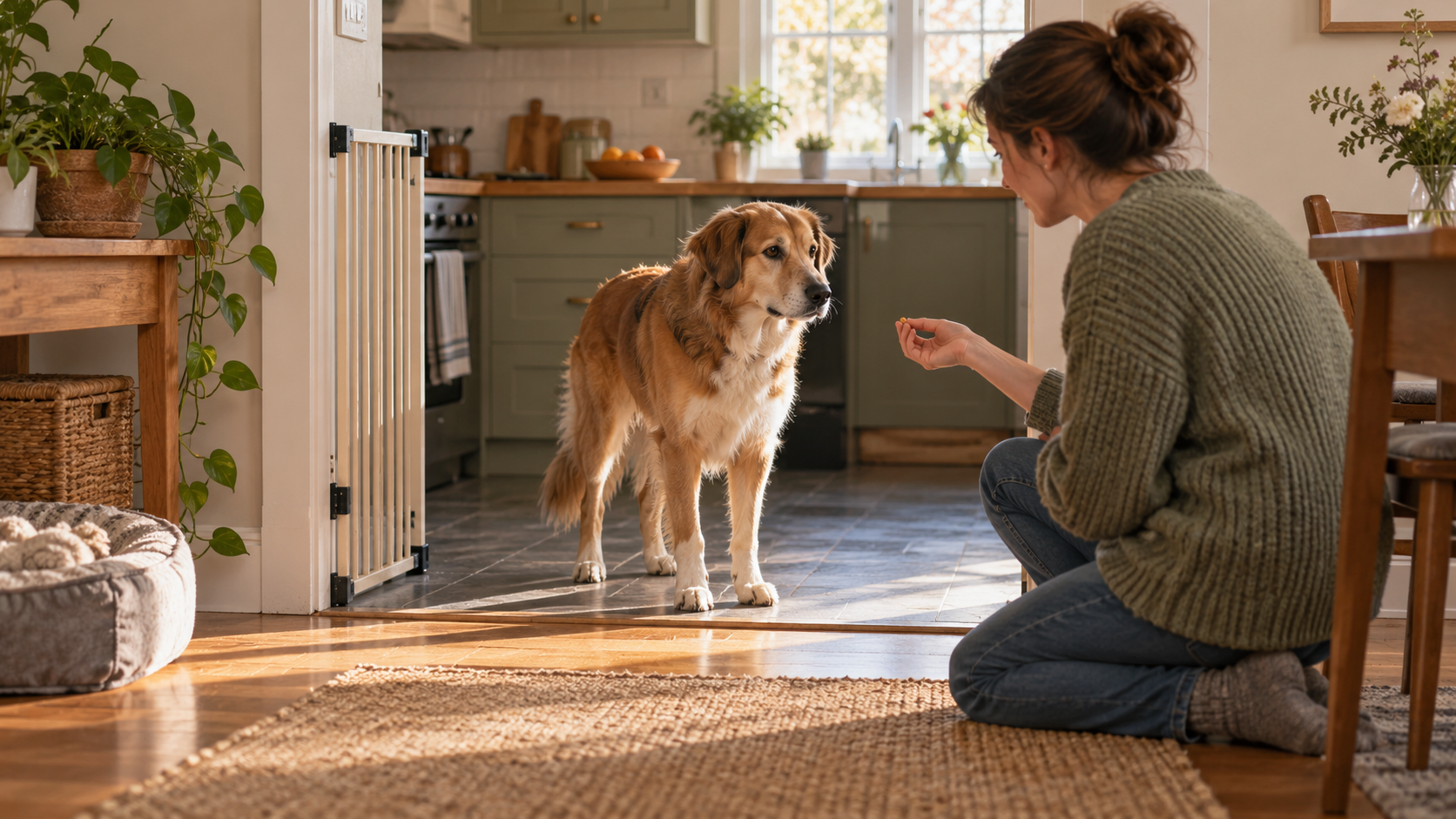
Prepare before calling the dog. Have rewards ready, define the criterion, and remove avoidable distractions. Train one small slice of the skill. For a stay, work on one second of duration while standing close. For recall, make three cheerful returns across a room. For handling, touch one shoulder briefly and reward.
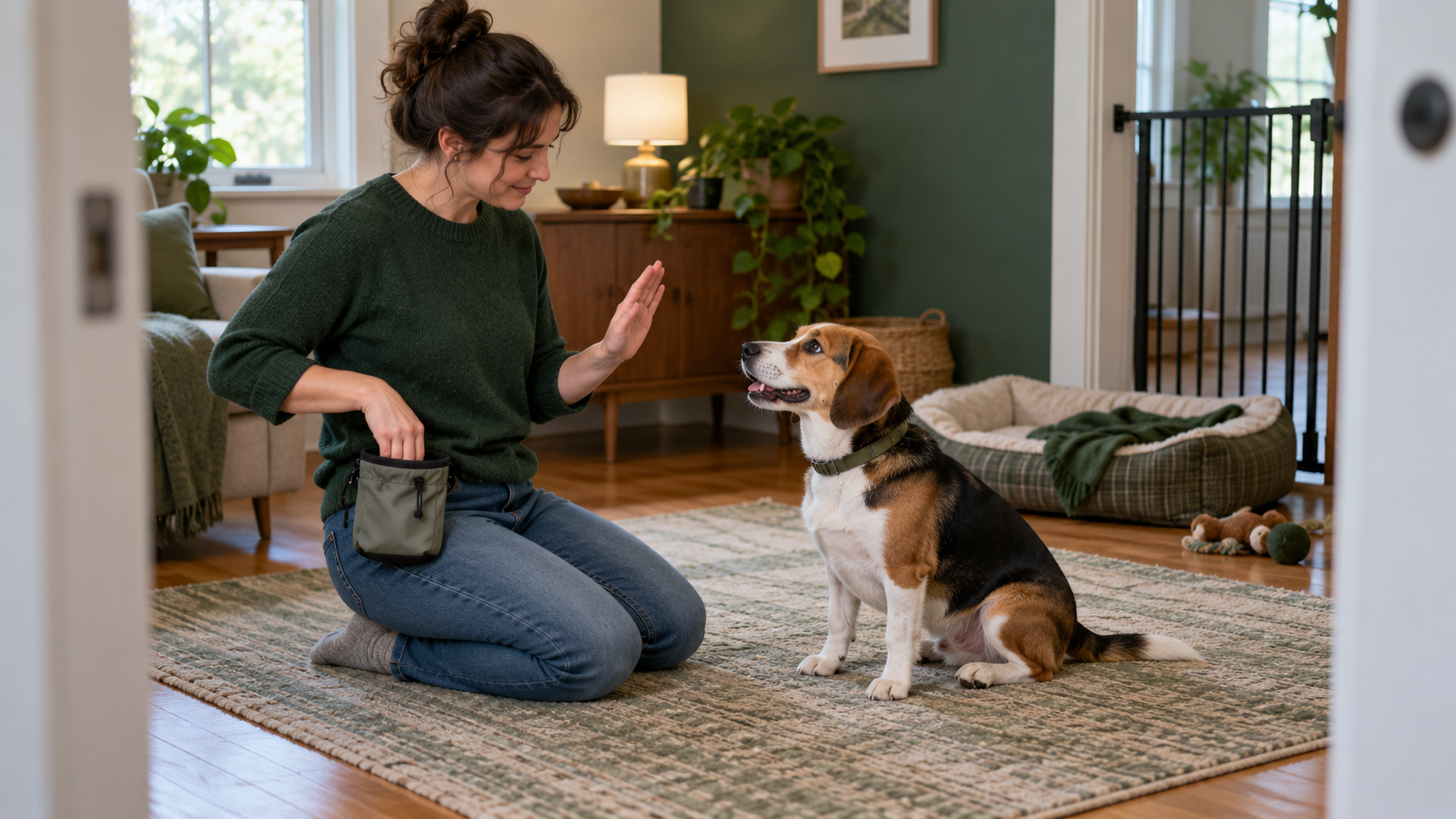
Use a simple rhythm: cue or arrange the opportunity, mark the correct response, reward, reset, and pause. After several successful repetitions, finish with an easy behavior or release the dog to sniff. A micro-session should feel complete, not abruptly abandoned.
If you need twenty seconds between repetitions to reload treats or move equipment, let the dog disengage. That pause is part of good session design. Constant focus is not a realistic or humane goal.
Two Realistic Daily Schedules
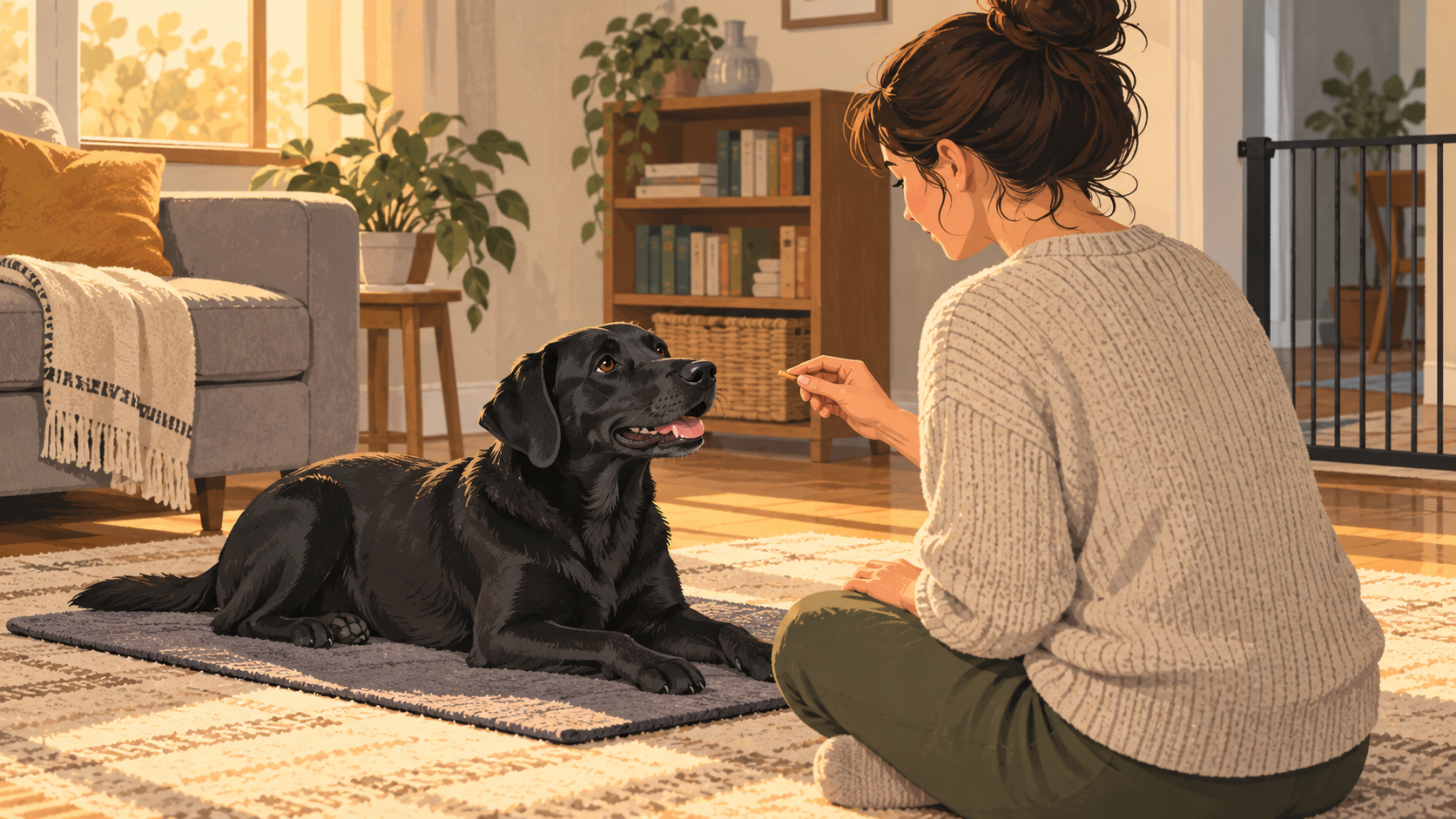
For a new puppy, practice the name game for one minute after a toilet break, mat work for two minutes before lunch, and three easy recalls between rooms in the evening. These tiny sessions connect training to daily life without exhausting the puppy.
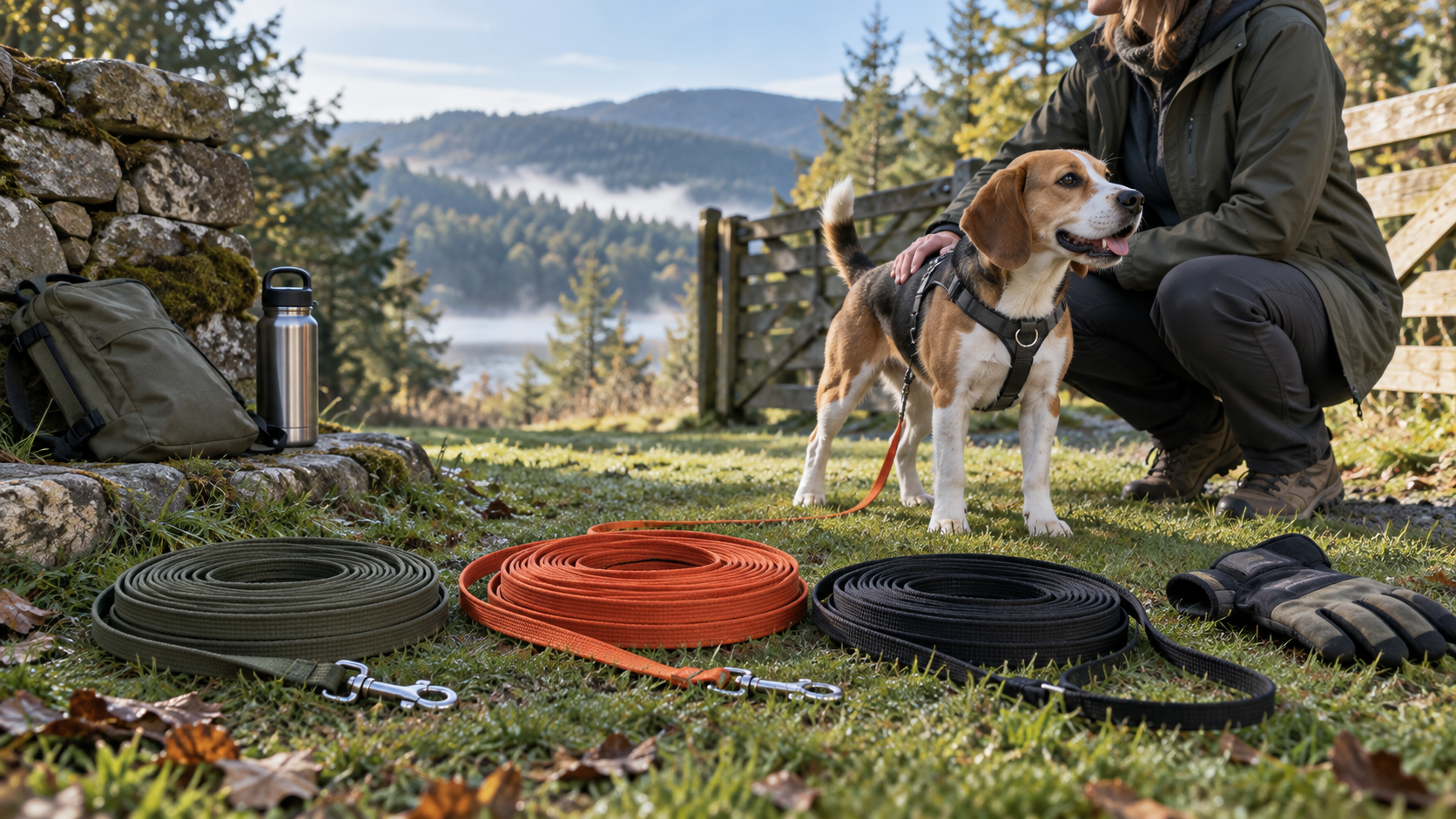
For an adult learning loose-leash walking, spend two minutes rewarding check-ins indoors, three minutes in the quiet driveway, and a few selected repetitions during the normal walk. The rest of the walk can be managed with distance and allowed sniffing rather than treated as a continuous obedience exam.
Rest days are useful after unusually difficult experiences. Learning does not require increasing difficulty every day. A familiar, easy session can maintain confidence while the dog recovers.
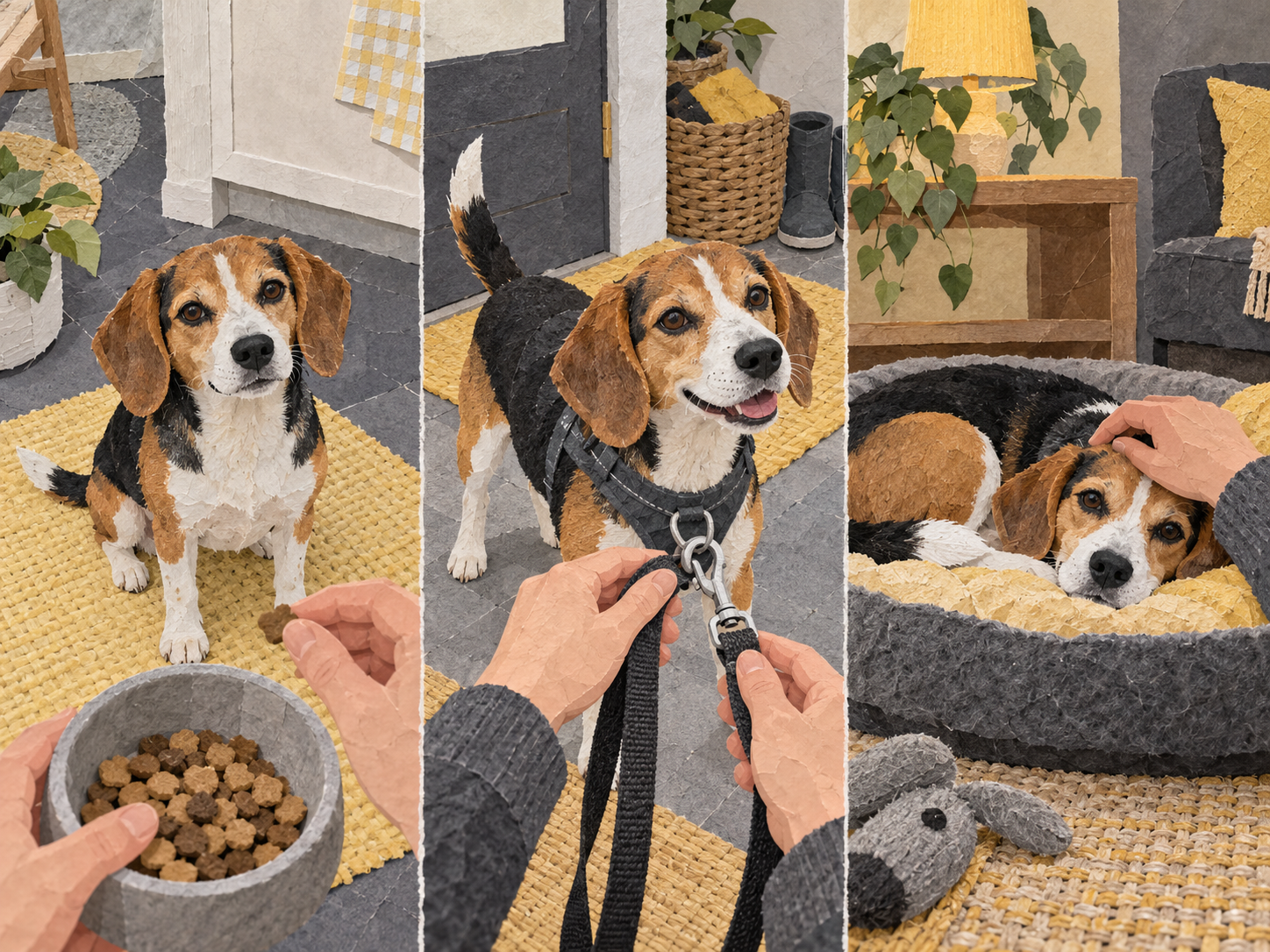
Adjust From Results, Not the Clock
Keep a brief log: location, skill, approximate duration, successful responses, and the first sign of fatigue. After a week, patterns emerge. If performance drops after four minutes, plan three-minute sessions. If a dog remains relaxed during eight minutes of mat work with breaks, there is no reason to stop at an arbitrary five.
Increase only one dimension at a time. Add a little duration without also moving outdoors. Add distance while keeping distractions low. If accuracy or comfort falls, return to the last successful version.
The right session ends with the dog still able to learn and the handler still able to be clear. A timer is a useful guardrail, but the dog’s behavior is the better clock.
A Practical Quality Check
Before increasing difficulty in How Long Should a Dog Training Session Be?, check the full picture rather than a single successful repetition. For How Long Should a Dog Training Session Be?, the dog should be able to notice the cue or situation, perform the response without physical pressure, take the chosen reward if food is being used, and return to a relaxed baseline; write down the location, distraction level, number of clear successes, and any sign of hesitation. While evaluating How Long Should a Dog Training Session Be?, that record makes it easier to separate a training gap from fatigue, fear, discomfort, or an environment that was simply too difficult.
Keep the article's central job in view: Replace a rigid minute rule with observable start, continue, pause, and finish signals. For How Long Should a Dog Training Session Be?, rehearse the easiest useful version in ordinary life, then alter only distance, duration, distraction, or reward value—not all of them together; if performance drops twice, make the next attempt easier instead of repeating the same failed setup. While evaluating How Long Should a Dog Training Session Be?, stop promptly for pain, panic, escape risk, aggression, or a sudden behavioral change, and use secure management while seeking appropriate professional help.
One More Planning Pass
Before using How Long Should a Dog Training Session Be? For How Long Should a Dog Training Session Be?, in a harder setting, write a one-line plan covering the trigger or cue, the exact response you will reinforce, the reward, the physical safety backup, and the signal that ends the session; the article's distinctive purpose remains important: Replace a rigid minute rule with observable start, continue, pause, and finish signals. While evaluating How Long Should a Dog Training Session Be?, begin where success is highly likely, watch the whole dog between repetitions, and keep enough distance or containment to prevent a mistake from becoming dangerous; review the notes after several short practices. In the context of How Long Should a Dog Training Session Be?, increase only the variable that stayed easy, keep every other feature stable, and return to the earlier version as soon as recovery slows; that simple review protects both learning quality and welfare.
Make the plan concrete enough that another adult could follow it without improvising. For How Long Should a Dog Training Session Be?, name the room or route, prepare barriers or equipment, choose rewards that are safe for the dog, and decide how many repetitions will be attempted before a break; include a fallback that does not depend on the dog responding to a cue, because management must still work on a difficult day. While evaluating How Long Should a Dog Training Session Be?, record what the dog noticed, whether the intended response occurred, and how long recovery took; those observations should determine the next session. In the context of How Long Should a Dog Training Session Be?, do not increase several demands just because one repetition looked easy, and do not continue through fear, pain, frantic behavior, aggression, or repeated attempts to escape.