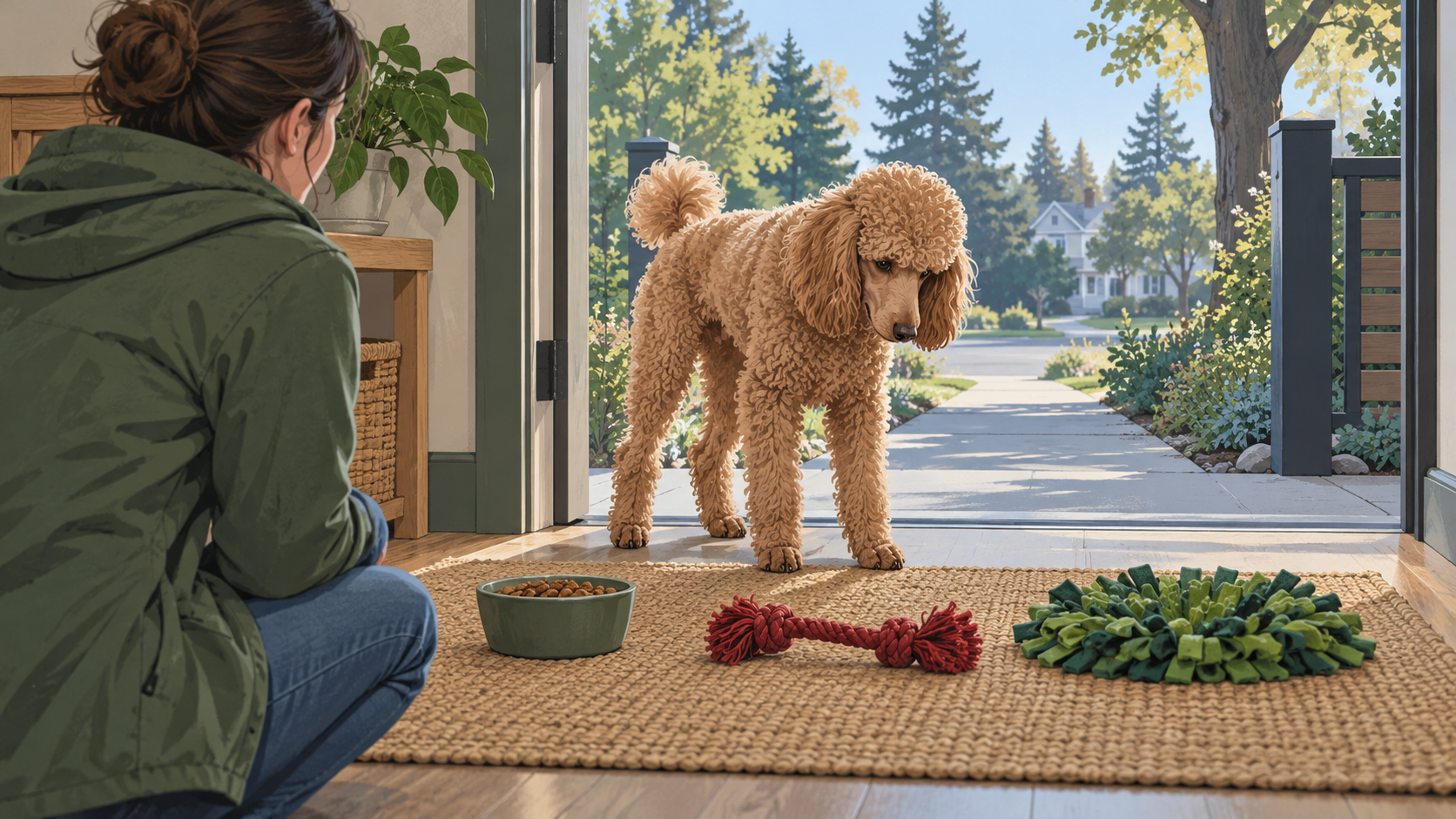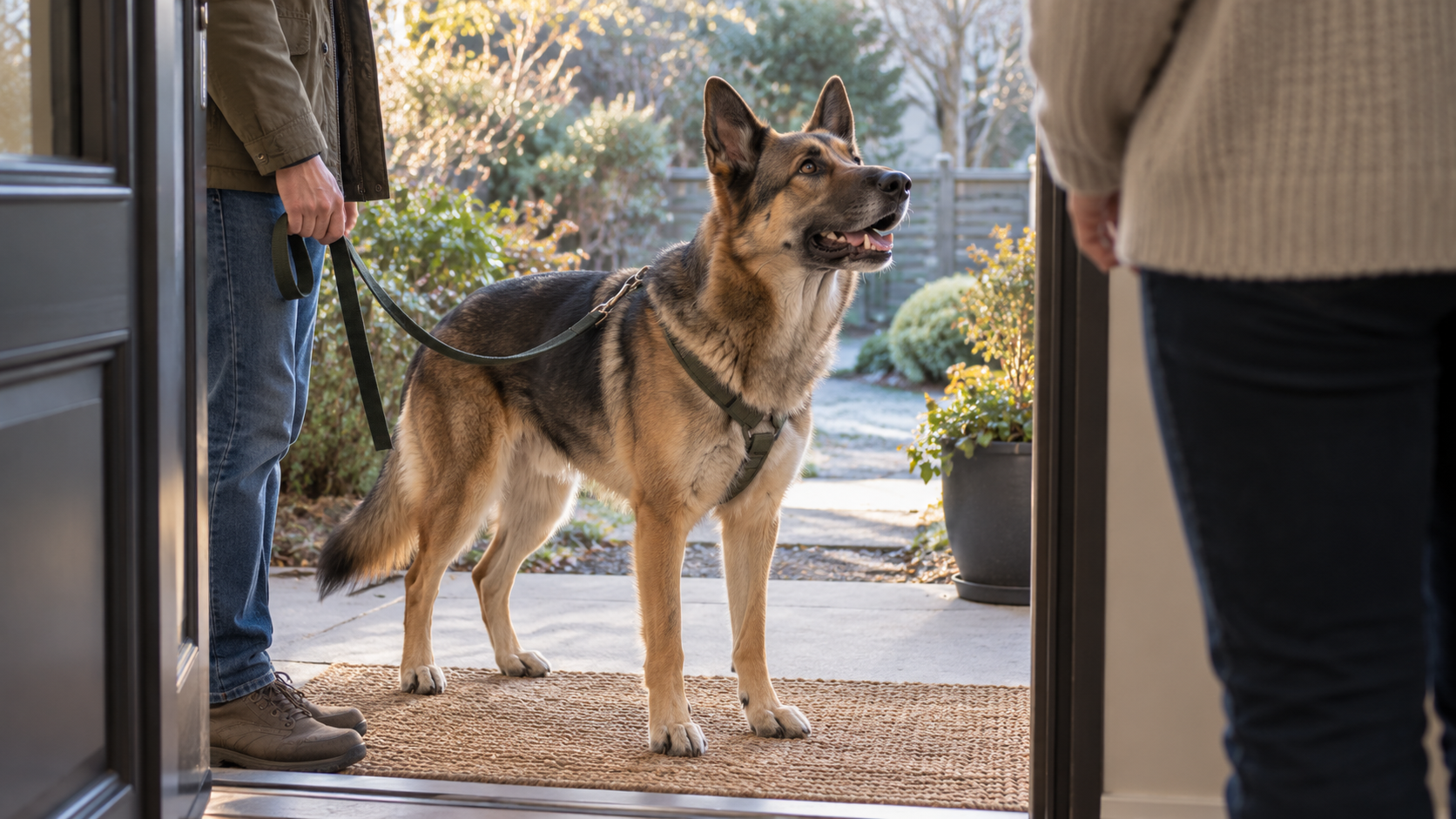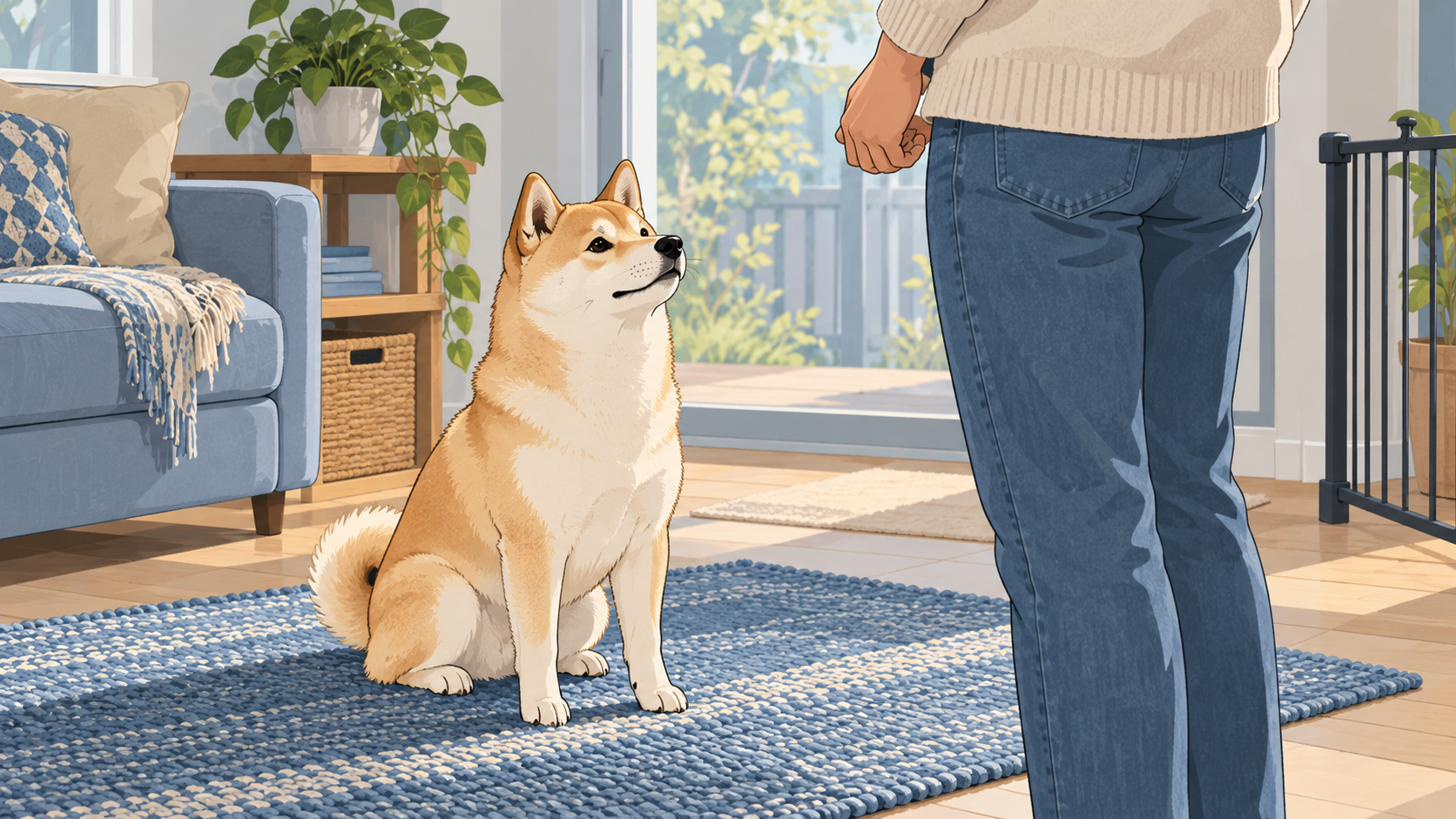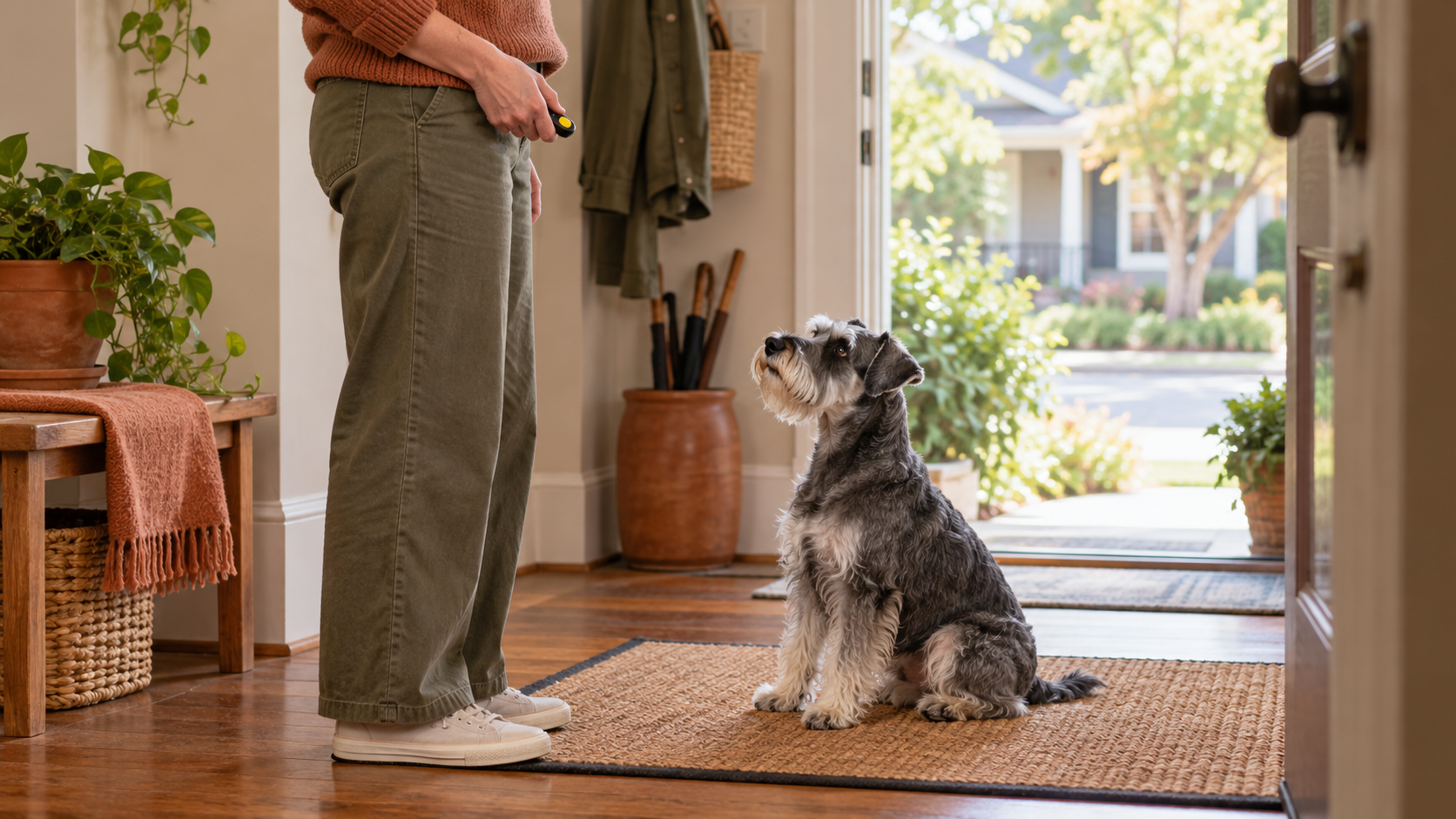
A marker word or clicker is a camera shutter for behavior: it identifies the instant worth remembering. It does not cause obedience, replace a reward, or fix a difficult environment. Used precisely, it makes reward-based training clearer.
What a Marker Does—and Does Not Do
The marker bridges the brief gap between behavior and reward. When a dog’s rear touches the floor, a click can identify that instant even though your hand needs another second to deliver food. Repeated pairings make the sound meaningful.
The click is not praise by itself. It is a promise that a reward is coming. Do not click to get attention, interrupt barking, or threaten a consequence. Those uses blur the signal.
A marker also does not tell the dog what to do next. It says, in effect, “that action earned the result.” Good setup, small criteria, and thoughtful reward placement still matter.
Marker Word or Clicker?
A clicker produces a consistent, brief sound that is distinct from conversation. It can be useful when timing must be exact or several family members use the same tool. It also occupies a hand and may be impractical while holding a leash.
A word such as “yes” travels everywhere and leaves both hands free. Tone and length can vary, so choose a short word that is not used constantly. A tongue click or whistle can work if it is clear and comfortable for the dog.
Sound-sensitive dogs may startle at a loud click. Muffle the clicker in a pocket, use a quieter device, or choose a soft verbal marker. The best marker is one the dog notices without fear and the handler can deliver accurately.
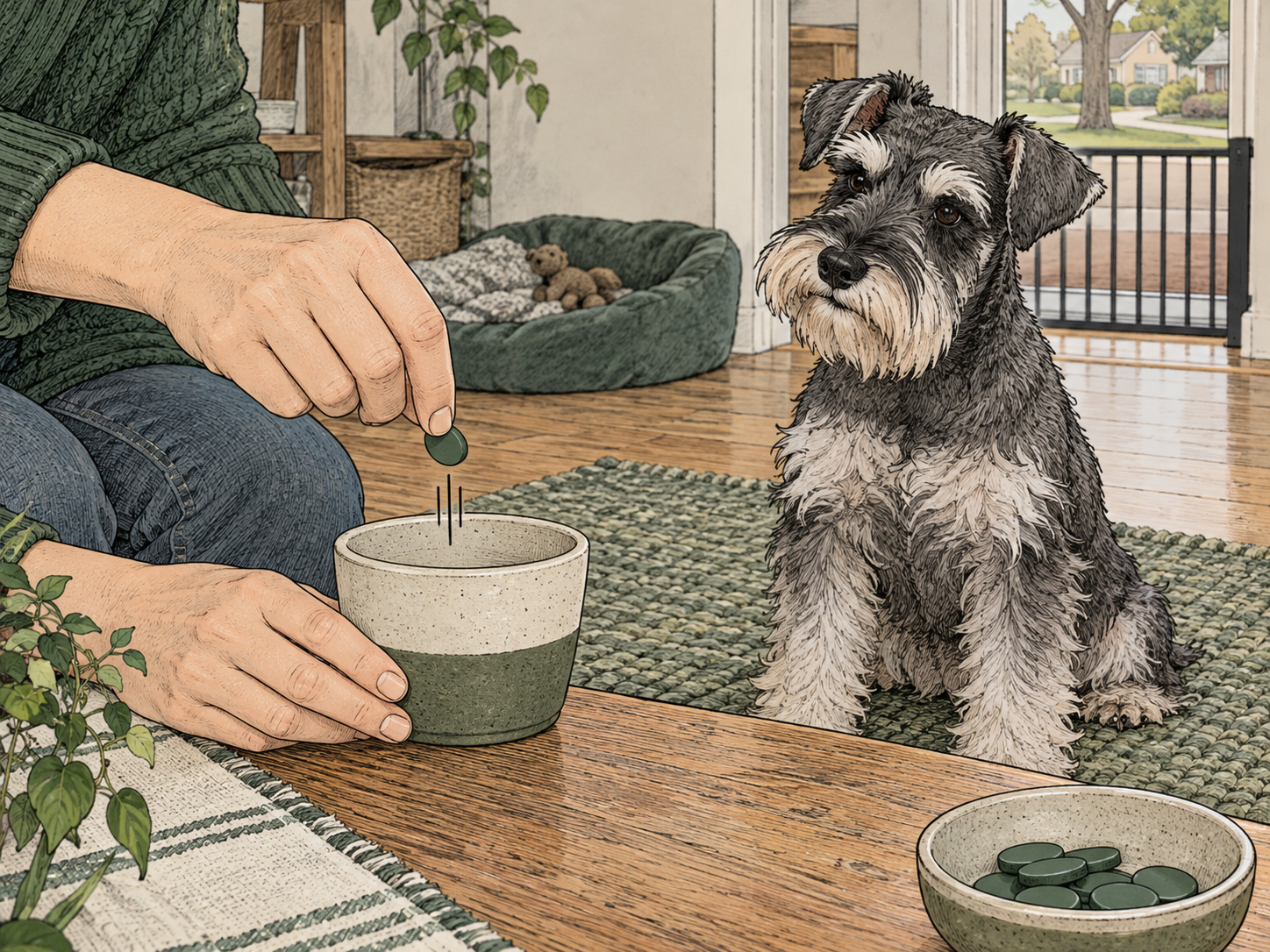
Build the Marker–Reward Connection
In a calm room, prepare ten tiny treats. Say the marker once, then deliver a treat. Pause and repeat. Do not ask for a sit or wave food first. The initial lesson is simply that the sound predicts a reward.
After several pairings, test gently: mark while the dog is calmly looking elsewhere. If the dog turns toward you expecting a reward, the association is developing. Reward as promised. If there is no response, continue pairing rather than making the sound louder.
Keep the sequence consistent: marker first, reward second. Reaching into the pouch before marking can make the hand movement the real predictor. Also avoid rapid, meaningless clicking. One marker identifies one moment.
Mark One Simple Behavior
Choose an easy action such as looking at you, touching a mat, or placing a nose on your open palm. For a hand target, present your palm a few inches from the dog’s nose. Curiosity will often produce a sniff. Mark the instant the nose touches, then reward from the other hand.
Move the hand slightly and repeat. If the dog does not investigate, bring the hand closer or briefly rub food scent on it; do not push it into the dog’s face. After several successful touches, add the cue “touch” just before presenting the palm.
Reward placement can reset the exercise. Deliver beside your body so the dog moves away from the target hand and can approach again. Stop after a handful of clean repetitions.
Add Cues and Raise Criteria Carefully
Add a cue only when the behavior is predictable in that setup. Say the cue once, present the familiar opportunity, mark the response, and reward. Over time, reduce extra gestures if you want the verbal cue to stand alone.
Raise one criterion at a time. Ask for a hand target two inches farther away before adding outdoor distractions. For a mat, increase duration before walking across the room. A marker can be precise, but it cannot rescue a leap in difficulty.
Once behavior is reliable, you do not need to mark and feed every repetition forever. Maintain the skill with varied reinforcement, life rewards, and occasional high-value payoffs. During difficult practice, increase the rate again.
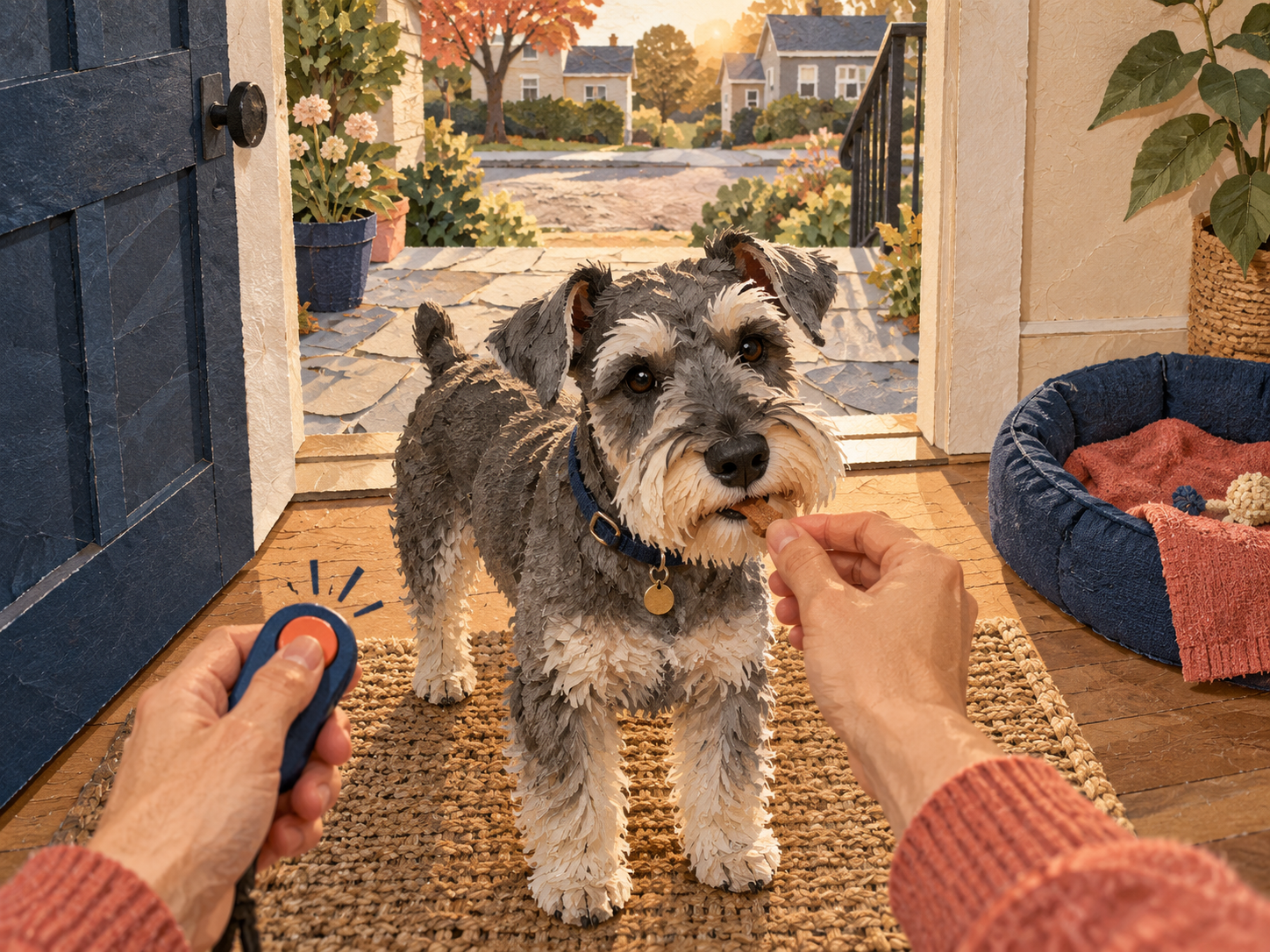
Troubleshoot Late Clicks and Confusion
If you click the wrong moment, deliver the reward anyway; then reset and improve your timing. Withholding the promised reward weakens the marker. Practice without the dog by clicking when a bouncing ball hits the floor or when a video reaches a chosen frame.
If the dog fixates on the clicker, hide it behind your back or use a wrist strap. If behavior becomes frantic, lower the reinforcement rate’s arousal by delivering food calmly and adding pauses. If the dog disengages, simplify or end.
Markers are tools, not requirements. A clear “yes” can work as well as a clicker, and some everyday training needs no formal marker. What matters is that the dog can identify the successful action and that the consequence reliably follows.
A Practical Quality Check
Before increasing difficulty in How to Use a Marker Word or Clicker, check the full picture rather than a single successful repetition. For How to Use a Marker Word or Clicker, the dog should be able to notice the cue or situation, perform the response without physical pressure, take the chosen reward if food is being used, and return to a relaxed baseline; write down the location, distraction level, number of clear successes, and any sign of hesitation. While evaluating How to Use a Marker Word or Clicker, that record makes it easier to separate a training gap from fatigue, fear, discomfort, or an environment that was simply too difficult.
Keep the article's central job in view: Teach the marker as a precise communication event, with timing drills before dog training. For How to Use a Marker Word or Clicker, rehearse the easiest useful version in ordinary life, then alter only distance, duration, distraction, or reward value—not all of them together; if performance drops twice, make the next attempt easier instead of repeating the same failed setup. While evaluating How to Use a Marker Word or Clicker, stop promptly for pain, panic, escape risk, aggression, or a sudden behavioral change, and use secure management while seeking appropriate professional help.
One More Planning Pass
Before using How to Use a Marker Word or Clicker in a harder setting, write a one-line plan covering the trigger or cue, the exact response you will reinforce, the reward, the physical safety backup, and the signal that ends the session. For How to Use a Marker Word or Clicker, the article's distinctive purpose remains important: Teach the marker as a precise communication event, with timing drills before dog training; begin where success is highly likely, watch the whole dog between repetitions, and keep enough distance or containment to prevent a mistake from becoming dangerous. While evaluating How to Use a Marker Word or Clicker, review the notes after several short practices; increase only the variable that stayed easy, keep every other feature stable, and return to the earlier version as soon as recovery slows. In the context of How to Use a Marker Word or Clicker, that simple review protects both learning quality and welfare.
Make the plan concrete enough that another adult could follow it without improvising. For How to Use a Marker Word or Clicker, name the room or route, prepare barriers or equipment, choose rewards that are safe for the dog, and decide how many repetitions will be attempted before a break; include a fallback that does not depend on the dog responding to a cue, because management must still work on a difficult day. While evaluating How to Use a Marker Word or Clicker, record what the dog noticed, whether the intended response occurred, and how long recovery took; those observations should determine the next session. In the context of How to Use a Marker Word or Clicker, do not increase several demands just because one repetition looked easy, and do not continue through fear, pain, frantic behavior, aggression, or repeated attempts to escape.