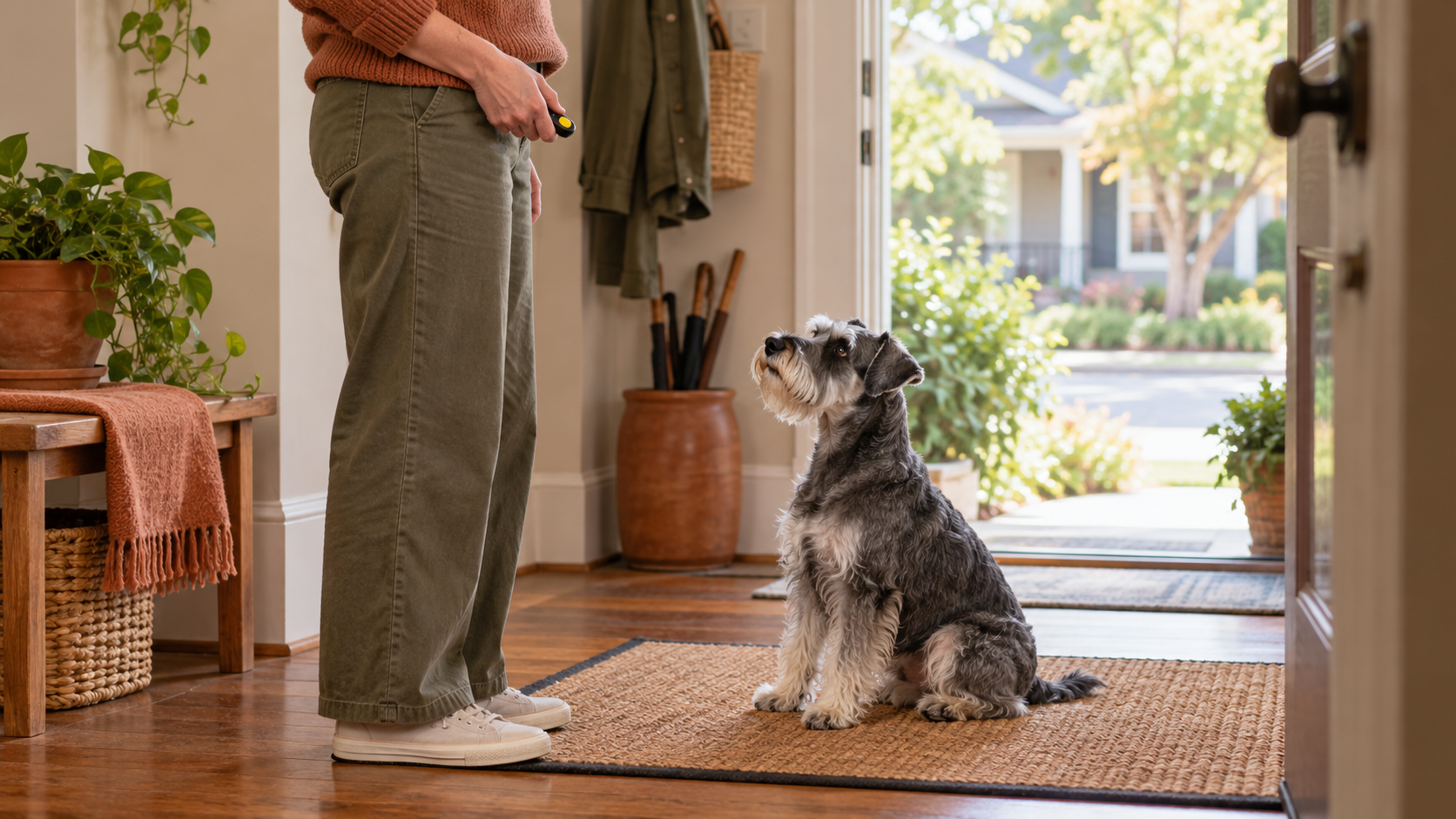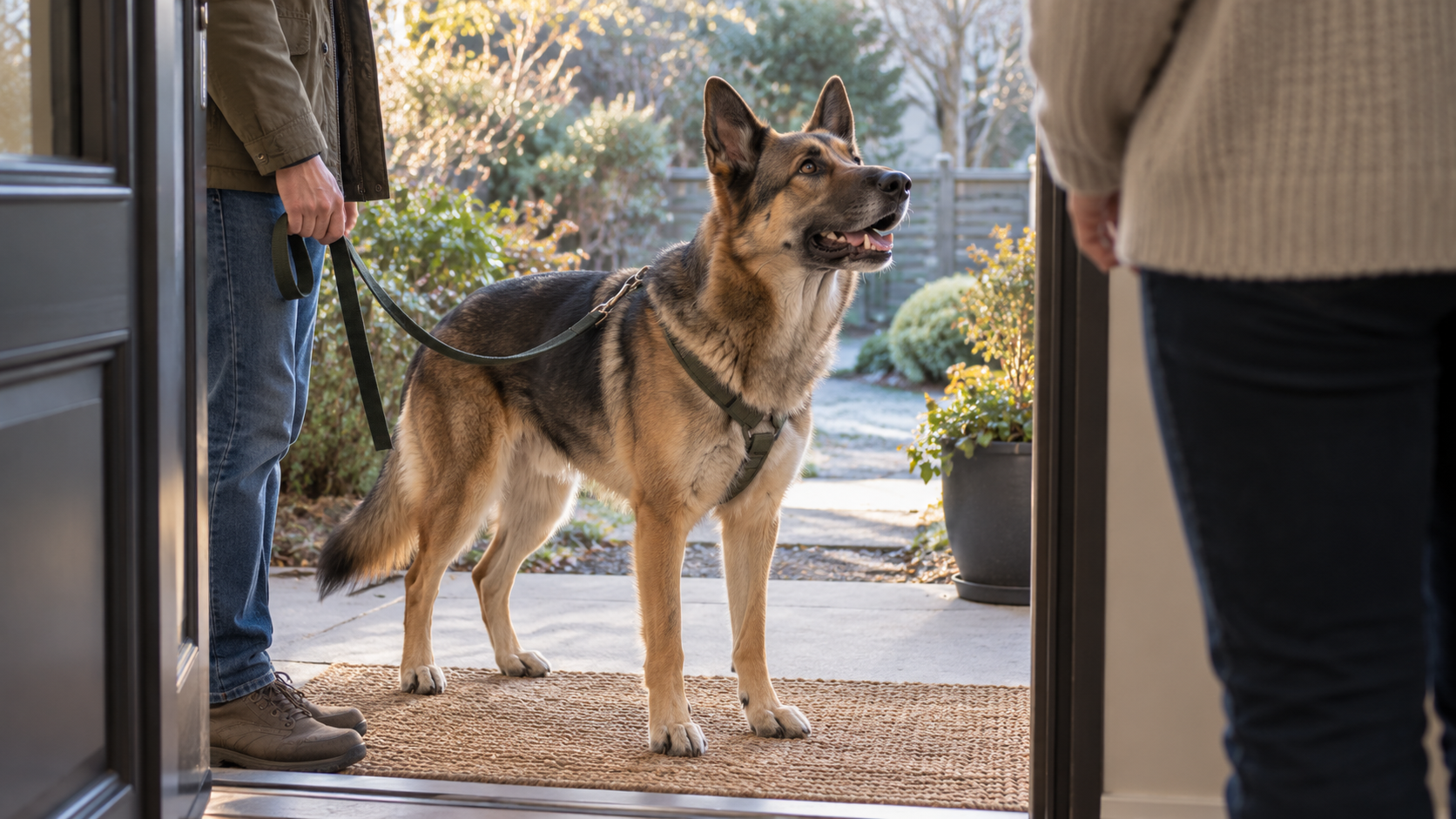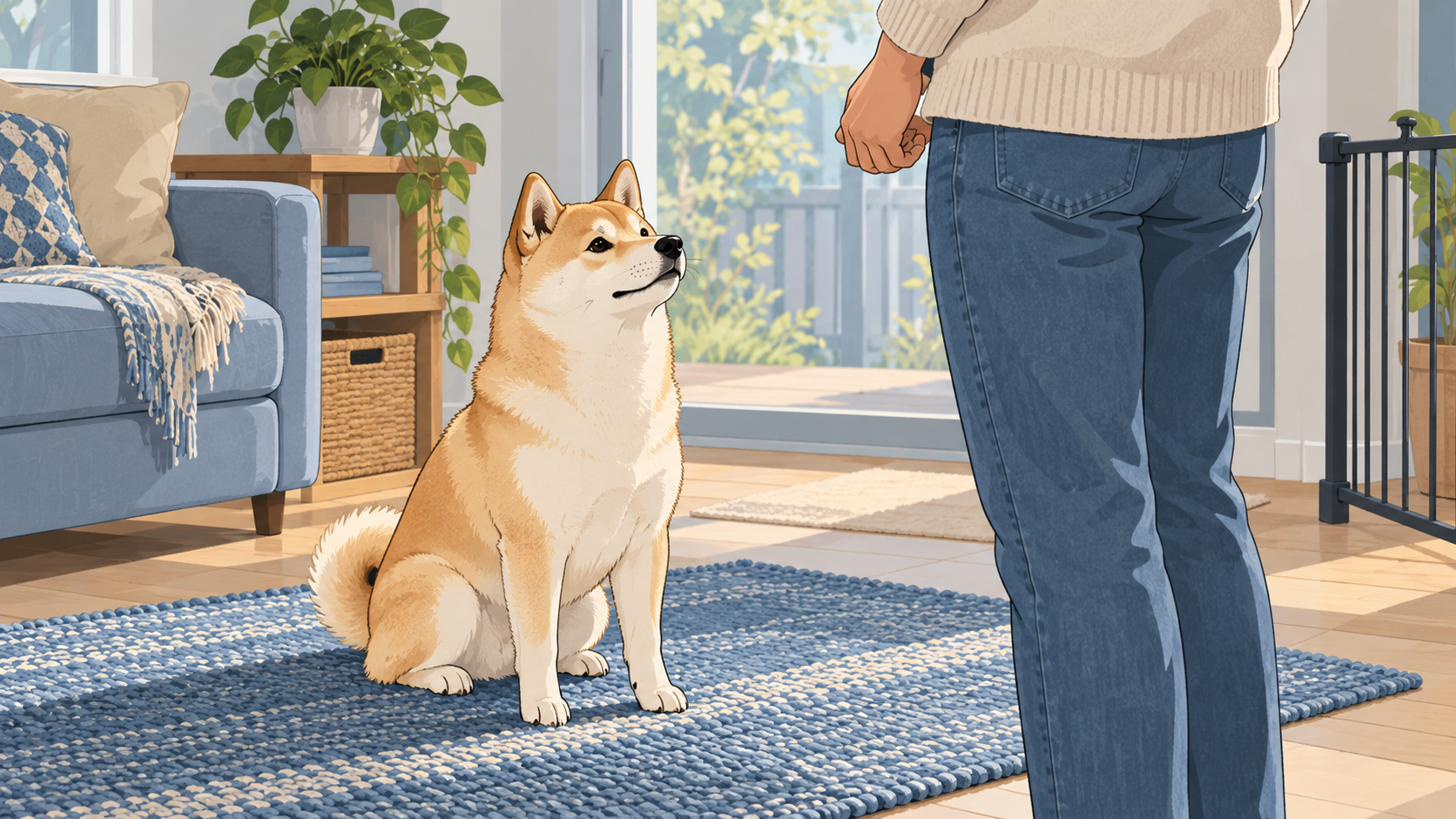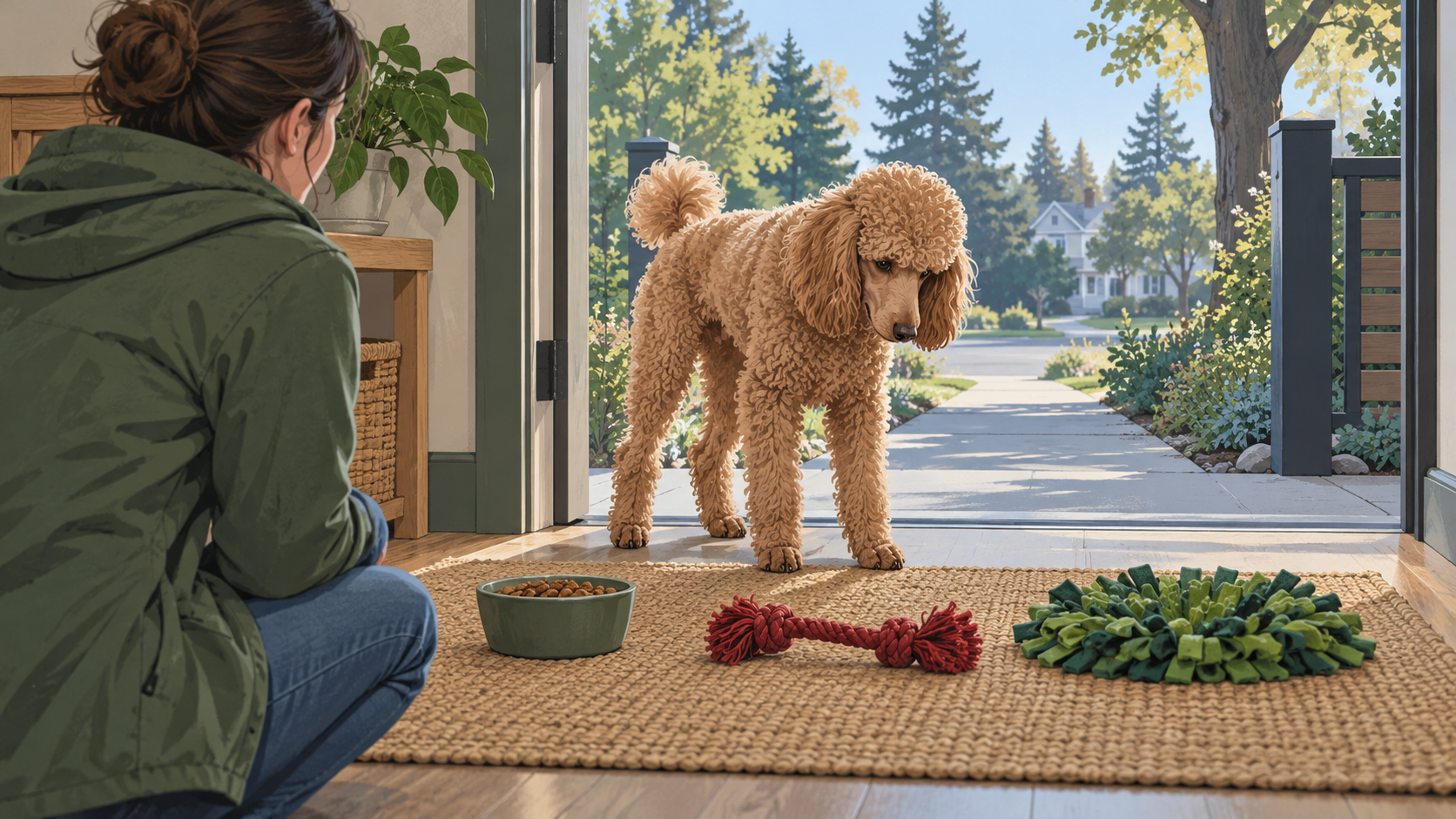
The best dog-training reward is not the most expensive treat or the toy with the loudest marketing. It is the outcome your dog wants enough, in that moment, to make the behavior worth repeating. Choosing well requires observation, not a fixed list.
A Reward Is Defined by Its Effect
Offer a piece of kibble after a check-in. If check-ins increase, the kibble is doing useful work. If the dog spits it out and returns to sniffing, it is not competitive in that context. A reward is functional: its effect on future behavior matters more than what humans call it.
Food, play, praise, touch, movement, access to smells, and permission to greet can all reinforce behavior. They are not interchangeable. Some dogs enjoy chest scratches but avoid hands over the head. Some love tug at home and ignore it outdoors. A nervous dog may value additional distance from a stranger more than food.
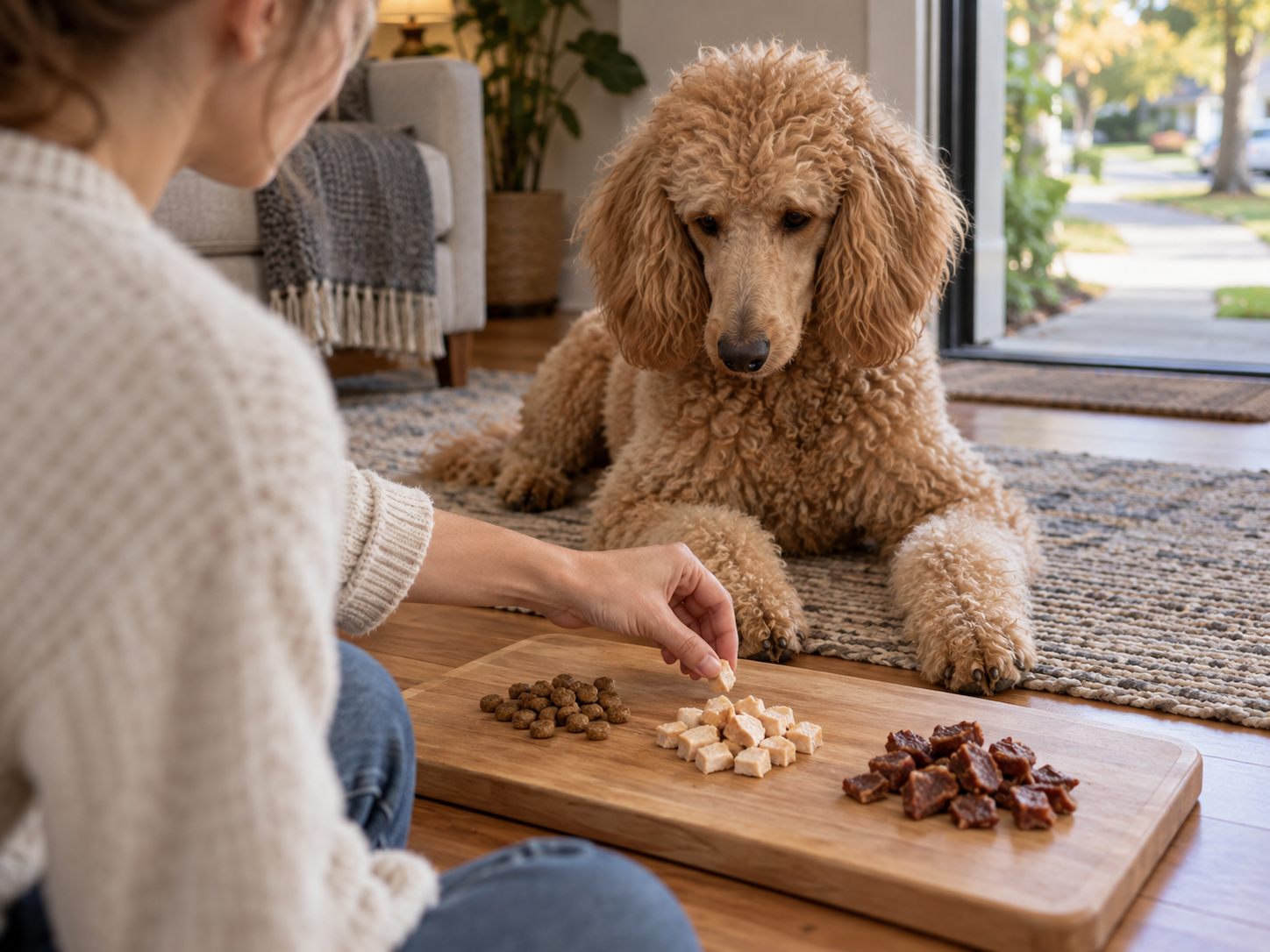
This also means preference can be asked rather than guessed. Present two safe options separately and note which one the dog approaches, consumes, or re-engages for.
Build a Personal Value Ladder
List five to ten things your dog enjoys. Sort them provisionally into everyday, medium, and high value. Ordinary food may work for known behaviors in a quiet room. Soft, aromatic food or a favorite toy may suit a new skill outdoors. A chance to chase a toy or sniff a hedge may be the strongest reward for another dog.
The ladder is not permanent. Appetite, recent meals, heat, fatigue, stress, and novelty change value. Recheck it in the environment where you will train. The AKC’s reward guidance recommends considering rewards from the dog’s point of view and matching higher-value options to harder challenges.
Keep at least two reward types available. If food stops working because the dog is full, a sniff break may still matter. If play raises arousal too much, food delivered calmly may be a better choice.
Match Value to Difficulty
New or demanding work should pay better than familiar work. A sit in the kitchen may earn kibble. Turning away from another dog at a comfortable distance may earn chicken. A fast recall away from a compelling smell might earn several treats followed by permission to return to sniffing.
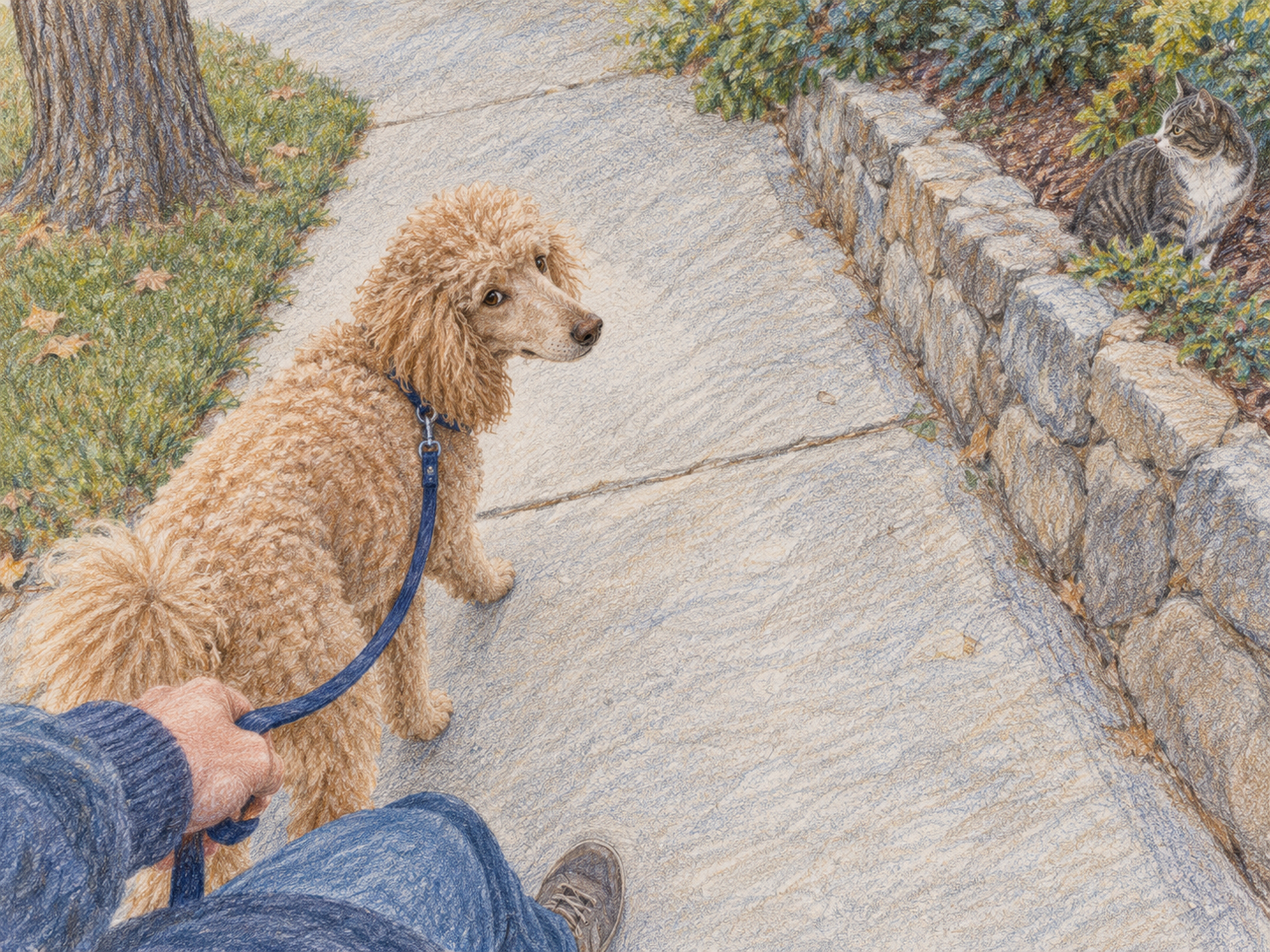
Do not use higher value to force a dog closer to something frightening. If the dog stretches for food while leaning away, refuses food, freezes, or cannot disengage, increase distance. Reward choice at a workable threshold.
Consider frequency as well as value. One excellent treat after a long minute of effort may provide less information than several small rewards for clear steps. Early learning benefits from a high rate of reinforcement. Later, rewards can become more varied without disappearing.
Deliver Food, Play, and Access Clearly
For food, mark the correct moment and place the treat where you want the dog to be. Feeding beside your leg supports loose-leash position. Feeding on a bed supports staying on the bed. Tossing food can reset the dog or encourage movement, so use it deliberately.
For tug or fetch, set rules before excitement rises: a start cue, a brief play period, and a practiced release. The game should not require taking a toy by force. Stop if teeth contact skin or the dog becomes frantic, then make the next repetition easier.
Environmental rewards are powerful. Ask for a check-in, then release the dog to sniff. Wait for a loose leash, then move forward. This is not withholding every pleasure until the dog performs; it is connecting safe behavior to ordinary access.
Calories, Allergies, and Safety
Training food counts toward daily intake. Use tiny pieces and, when appropriate, reserve part of the dog’s measured meal. Dogs with allergies, gastrointestinal disease, pancreatitis risk, kidney disease, or prescription diets need veterinary guidance about suitable rewards.
Avoid toxic foods such as chocolate, grapes, raisins, onions, garlic in concentrated amounts, and products sweetened with xylitol. Check labels, especially on peanut butter and packaged human food. Hard chunks and large pieces slow training and may pose a choking risk; choose a size and texture the dog can swallow comfortably.
For toys, inspect for damage and match size to the dog. Supervise chewers and remove pieces that could be swallowed. For touch, watch consent: pausing and seeing whether the dog returns is more informative than assuming contact is welcome.
A Reward-Rotation Worksheet
Create three columns: easy place, moderate place, and hard place. Record which rewards produced quick re-engagement in each. Add notes about delivery—one piece, a short scatter, five seconds of tug, or ten seconds of sniffing. Review weekly.
If a previously effective reward stops working, ask four questions. Is the dog stressed or unwell? Has the environment become harder? Is the dog satiated? Has delivery become slow or predictable? Change the setup before blaming motivation.
A useful reward system is flexible. It pays enough for the current job, respects health and preference, and helps the dog understand exactly which choice worked.
A Practical Quality Check
Before increasing difficulty in How to Choose the Right Training Reward, check the full picture rather than a single successful repetition. For How to Choose the Right Training Reward, the dog should be able to notice the cue or situation, perform the response without physical pressure, take the chosen reward if food is being used, and return to a relaxed baseline; write down the location, distraction level, number of clear successes, and any sign of hesitation. While evaluating How to Choose the Right Training Reward, that record makes it easier to separate a training gap from fatigue, fear, discomfort, or an environment that was simply too difficult.
Keep the article's central job in view: Build a context-based reward menu covering food, play, access, distance, and life rewards. For How to Choose the Right Training Reward, rehearse the easiest useful version in ordinary life, then alter only distance, duration, distraction, or reward value—not all of them together; if performance drops twice, make the next attempt easier instead of repeating the same failed setup. While evaluating How to Choose the Right Training Reward, stop promptly for pain, panic, escape risk, aggression, or a sudden behavioral change, and use secure management while seeking appropriate professional help.
One More Planning Pass
Before using How to Choose the Right Training Reward in a harder setting, write a one-line plan covering the trigger or cue, the exact response you will reinforce, the reward, the physical safety backup, and the signal that ends the session. For How to Choose the Right Training Reward, the article's distinctive purpose remains important: Build a context-based reward menu covering food, play, access, distance, and life rewards; begin where success is highly likely, watch the whole dog between repetitions, and keep enough distance or containment to prevent a mistake from becoming dangerous. While evaluating How to Choose the Right Training Reward, review the notes after several short practices; increase only the variable that stayed easy, keep every other feature stable, and return to the earlier version as soon as recovery slows. In the context of How to Choose the Right Training Reward, that simple review protects both learning quality and welfare.
Make the plan concrete enough that another adult could follow it without improvising. For How to Choose the Right Training Reward, name the room or route, prepare barriers or equipment, choose rewards that are safe for the dog, and decide how many repetitions will be attempted before a break; include a fallback that does not depend on the dog responding to a cue, because management must still work on a difficult day. While evaluating How to Choose the Right Training Reward, record what the dog noticed, whether the intended response occurred, and how long recovery took; those observations should determine the next session. In the context of How to Choose the Right Training Reward, do not increase several demands just because one repetition looked easy, and do not continue through fear, pain, frantic behavior, aggression, or repeated attempts to escape.