How Sniffing Helps Dogs Relax examines a popular welfare claim without turning plausibility into certainty. For How Sniffing Helps Dogs Relax, the analysis will separate plausible mechanisms and measured findings from popular overclaims, then offer low-risk uses; research findings stay within their studied population and setting, and practical suggestions remain optional, low-risk, and guided by the dog's response.
The Case for Letting Dogs Use Their Noses
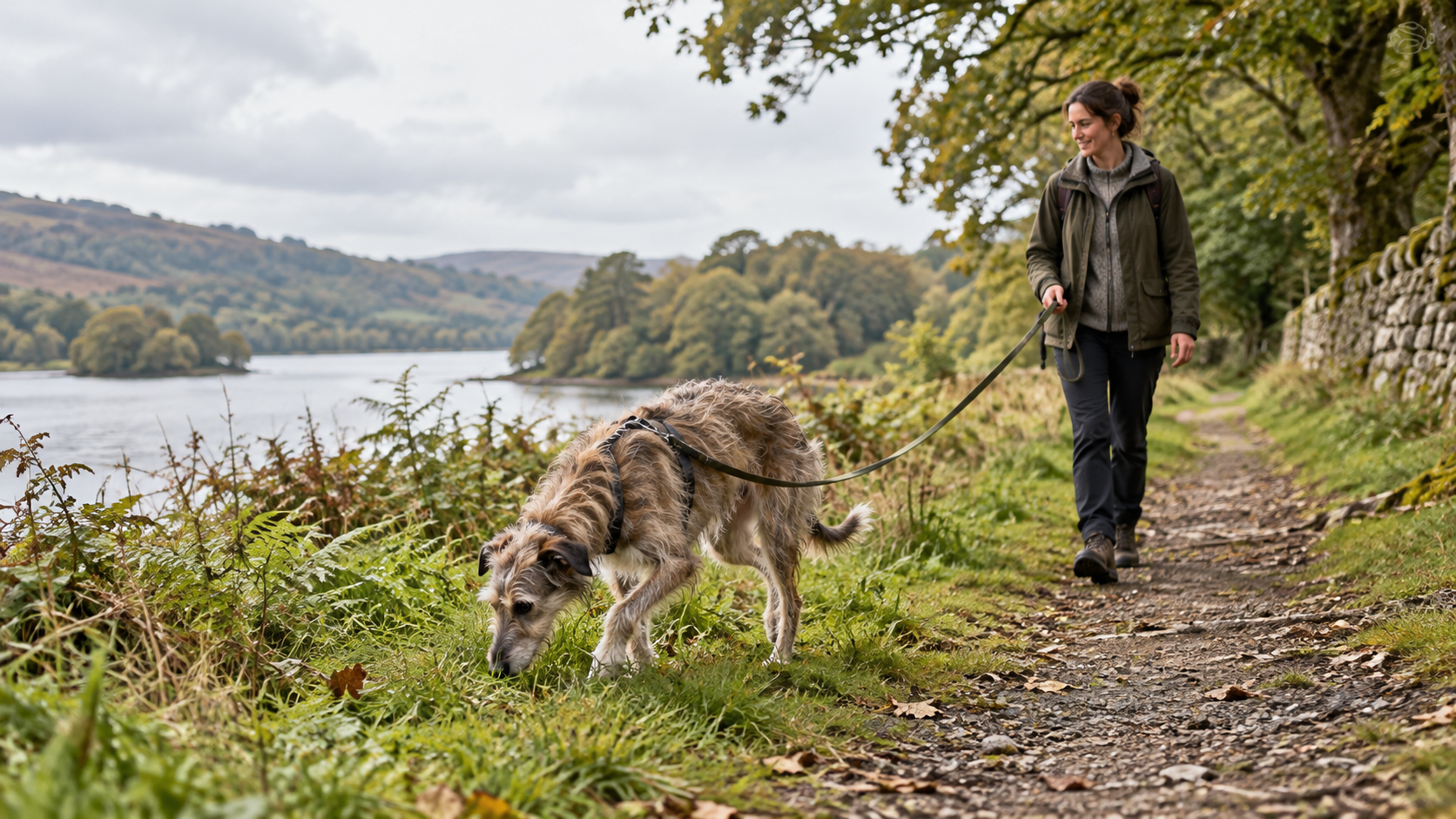
Sniffing gives dogs access to information that people cannot perceive and can make a walk more self-directed. That is a strong welfare reason to allow it, even without claiming that every sniff produces a measurable calming effect.
The useful question behind the case for letting dogs use their noses is not whether a popular claim sounds plausible, but what conclusion the evidence can support. For The Case for Letting Dogs Use Their Noses, species-relevant behavior, choice, and exploration have welfare value even when a single mechanism has not been proven; keeping that distinction visible prevents an appealing idea from becoming a promise that every dog will relax in the same way.
What the Evidence Can—and Cannot—Show
Enrichment research supports providing species-relevant opportunities, but studies differ in setting, outcome, and population. Shelter or laboratory findings should not be treated as proof that sniffing cures anxiety in every pet dog.
Evidence connected with what the evidence can—and cannot—show comes from different populations and environments. For What the Evidence Can—and Cannot—Show, a result in shelter dogs, laboratory animals, or a structured enrichment study can suggest possibilities without predicting the response of one household dog; look at the measured outcome and time frame, then label any broader interpretation as an inference. While evaluating What the Evidence Can—and Cannot—Show, the absence of universal proof does not make a low-risk, dog-led opportunity worthless.
Sniffing as Choice, Information and Enrichment
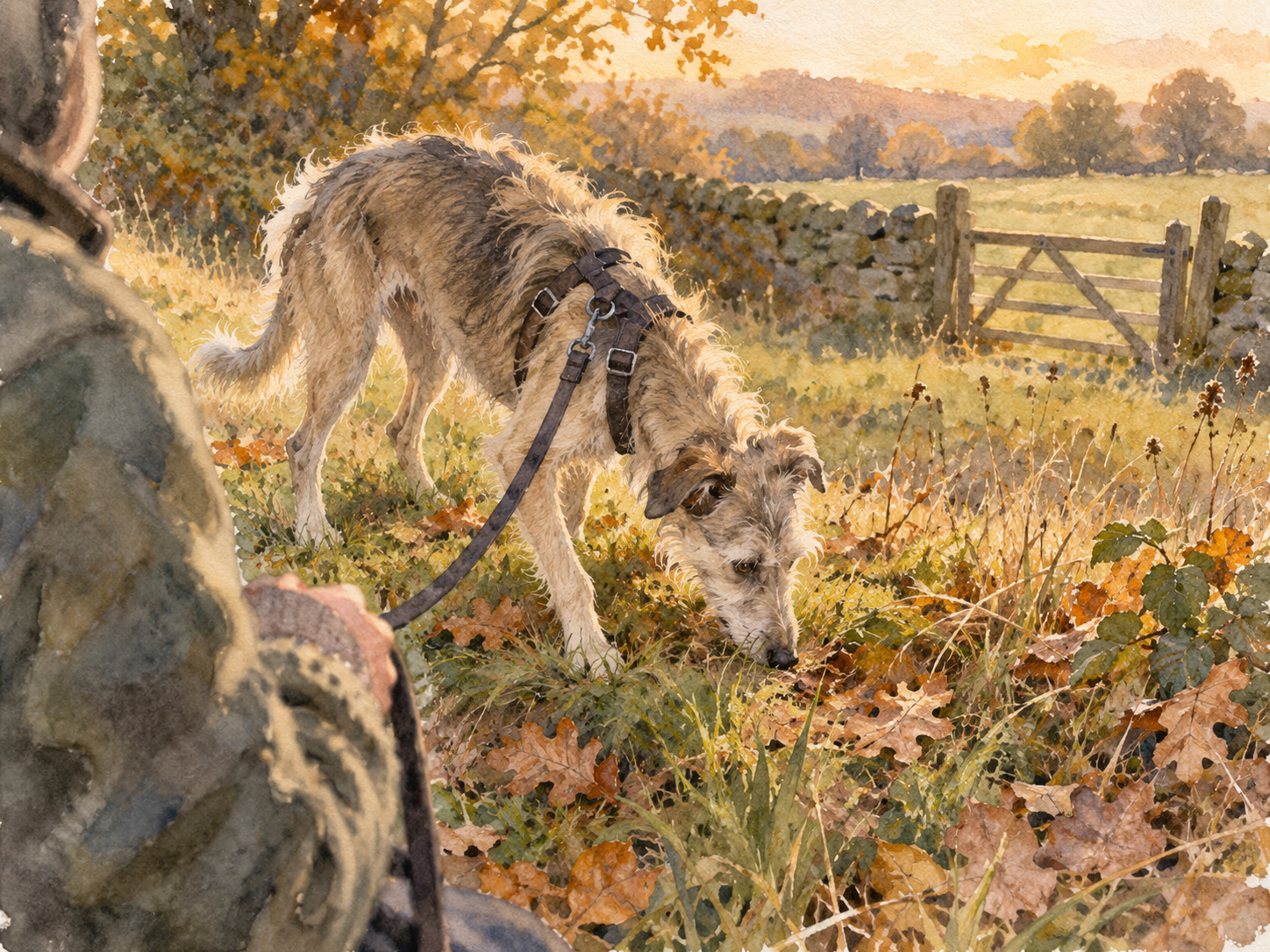
Following scent can combine exploration, choice, movement, and food seeking. Those features may change arousal and engagement, yet the useful observation remains individual: what happens to this dog's body and recovery afterward?
Choice is central to sniffing as choice, information and enrichment. For Sniffing as Choice, Information and Enrichment, the dog should be able to approach, pause, move away, and recover without being pulled toward an activity presented as enrichment; observe breathing, movement, muscle tension, scanning, engagement, and what happens afterward. While evaluating Sniffing as Choice, Information and Enrichment, a behavior that is normally species-typical can still occur frantically or under pressure, so its name alone does not establish an emotional state.
Where Sniffing Fits in a Busy Routine
Create unhurried sniff sections on safe walks, scatter food in grass when appropriate, or hide easy treats indoors. Keep the activity optional and account for diet, scavenging risk, allergies, wildlife, and local rules.
To use where sniffing fits in a busy routine in daily life, protect enough time that it does not become another rushed demand. For Where Sniffing Fits in a Busy Routine, begin in a safe, familiar place, remove scavenging or traffic hazards, and let the dog set much of the pace; the practical measure is not distance covered or minutes accumulated; it is whether the activity fits the dog, preserves choice, and supports a workable routine for both dog and guardian.
When Sniffing Does Not Equal Relaxation
Fast, frantic ground scanning, inability to disengage, tracking a dangerous item, or scenting during a fear response should not be mislabeled as relaxation. Context and the dog's whole body still decide whether to continue.
There are limits to when sniffing does not equal relaxation. For When Sniffing Does Not Equal Relaxation, it cannot substitute for veterinary care, treatment of separation distress, safe management around triggers, or adequate rest and social contact; if the dog's behavior becomes frantic, risky, or difficult to interrupt, change the environment rather than insisting that the activity must be calming. While evaluating When Sniffing Does Not Equal Relaxation, an individual response can contradict a broad expectation without making the dog abnormal.
A Balanced, Dog-Led Practice
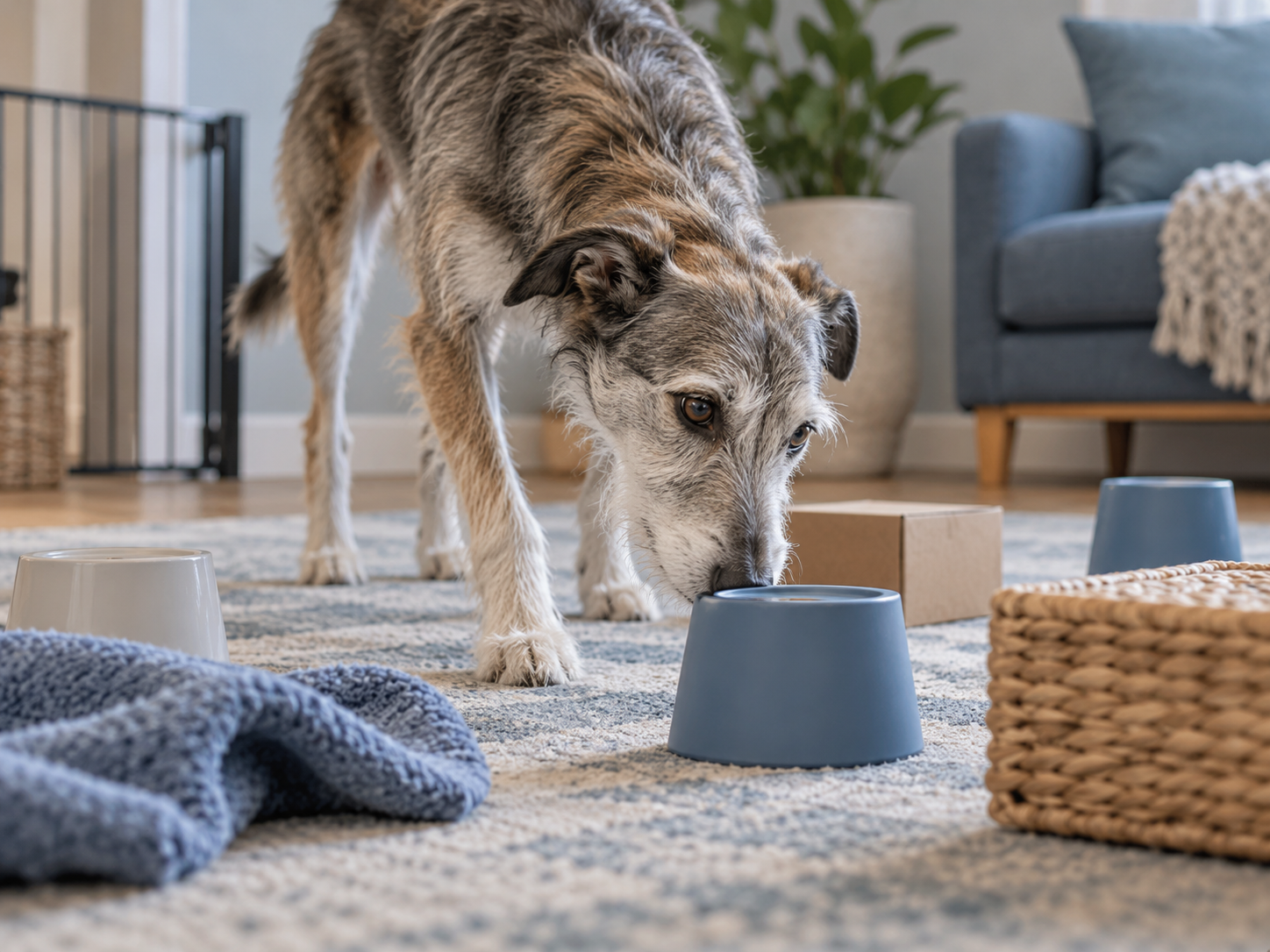
Offer time, a loose enough line for safe exploration, and a predictable cue to move on. If the dog returns from the activity able to rest and re-engage, keep it; if arousal rises, shorten or change the setup. Treat the result as an individual observation rather than proof that the same activity will affect every dog in the same way.
A balanced practice around a balanced, dog-led practice treats observation as the feedback loop. For A Balanced, Dog-Led Practice, offer a modest opportunity, note engagement and recovery, and repeat only when the result remains useful; keep claims narrow, allow individual variation, and combine enrichment with sleep, movement, predictable care, and appropriate professional help. While evaluating A Balanced, Dog-Led Practice, that approach preserves the welfare benefit without turning one activity into a cure-all.
The Practical Takeaway
The defensible conclusion from How Sniffing Helps Dogs Relax is modest: species-relevant, dog-led opportunities can be worthwhile, while individual response and study limits still matter. For How Sniffing Helps Dogs Relax, offer the activity safely, observe engagement and recovery, and avoid presenting it as treatment for fear, pain, or a clinical behavior problem.
How to Use the Claim Responsibly
When applying How Sniffing Helps Dogs Relax, separate three layers: what the cited research measured, the mechanism that might explain it, and the practical choice a guardian can try safely. For How Sniffing Helps Dogs Relax, the analytical focus is deliberate: Separate plausible mechanisms and measured findings from popular overclaims, then offer low-risk uses; do not collapse those layers into a promise. While evaluating How Sniffing Helps Dogs Relax, a shelter study, review, or enrichment paper can support a cautious rationale without proving the same emotional effect for every household dog.
Use an ordinary before-and-after observation: note the setting, the dog's body and pace, how much choice was available, and recovery once the activity ends. For How Sniffing Helps Dogs Relax, repeat only if the experience remains safe and useful; stop or modify it when arousal rises, scavenging or traffic creates risk, or the dog cannot disengage. While evaluating How Sniffing Helps Dogs Relax, evidence-aware enrichment leaves room for individual preference and never replaces veterinary care or a qualified behavior plan.
Also compare the activity with a neutral baseline instead of relying on memory. For How Sniffing Helps Dogs Relax, on similar days, note how the dog moves, scans, rests, and re-engages before the opportunity is offered; then observe the same features during and afterward; this is not a clinical experiment, but it can reveal whether the routine is consistently useful for that individual. While evaluating How Sniffing Helps Dogs Relax, avoid changing the route, duration, food, company, and difficulty all at once; if the result varies, describe the variation rather than selecting only the calmest example.
Language matters when sharing the conclusion. For How Sniffing Helps Dogs Relax, say that the activity “may support exploration and choice” or “appeared useful for this dog in this setting,” not that it releases a specific chemical on command or cures anxiety; cite the measured finding when a factual claim depends on research, distinguish review evidence from a single study, and keep shelter or laboratory results in their original context. While evaluating How Sniffing Helps Dogs Relax, a modest claim remains useful and is less likely to divert a worried guardian from veterinary assessment or qualified behavior care.